Team Building: Kingdom Class Team Building
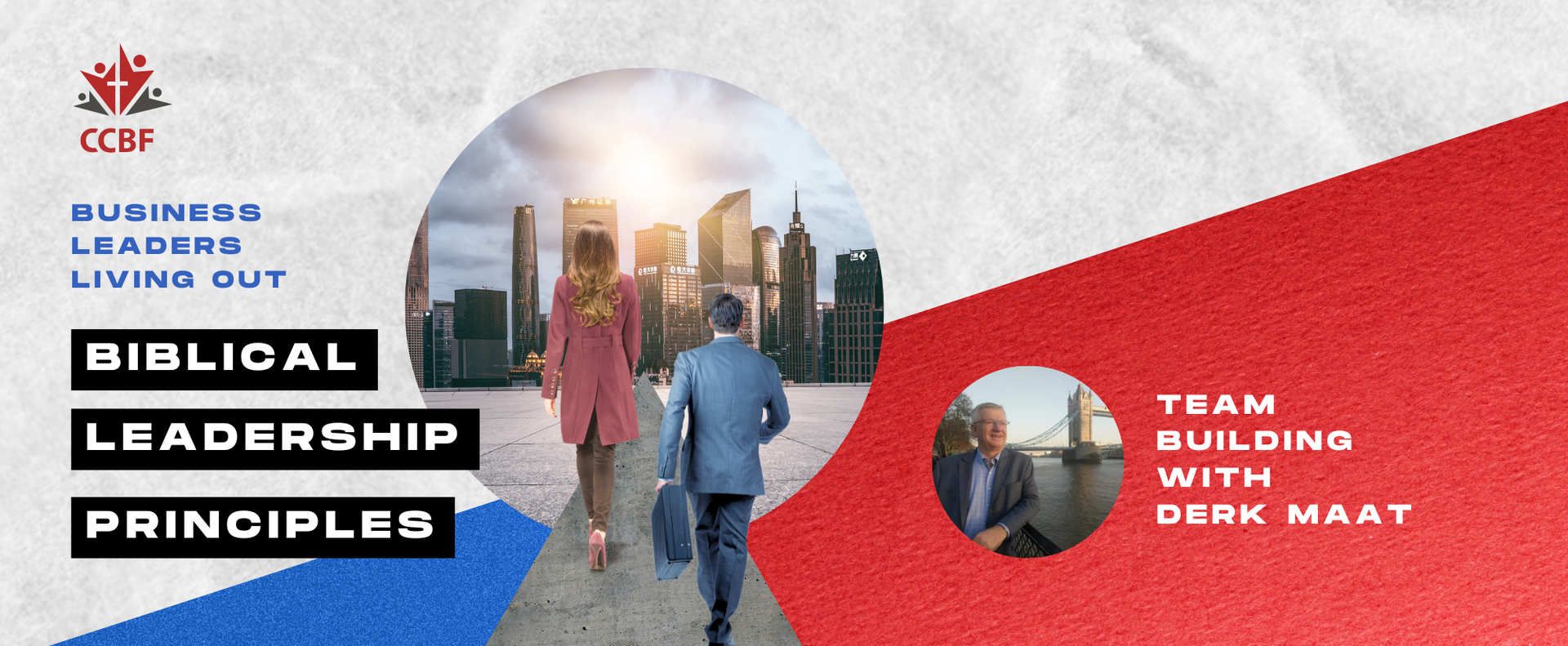
Team Building: Kingdom Class Team Building
An interview with Derk Maat
CEO & President
SciCorp, International
By Nathan Reid-Welford
Derk Maat, chairman and CEO of Scicorp International and a fifty-four-year veteran of the engineering and environmental fields, did not know how to connect faith to his work until he heard God’s voice during a co-op at Lakehead University.
Tasked with measuring the sludge of the river where he lived in Thunder Bay—a by-product of a large papermill—Derk saw dead fish and pollution in the water that was pristine two miles upstream.
“An audible voice from Heaven said, ‘I want you to be part of the solution,’” Derk recalls.
Not fully realizing it was God speaking to him at the time, this message became the driving force for Derk’s university and subsequent professional career.
Having worked in a variety of sanitary engineering capacities—including creating innovative solutions for the pulp and paper industry in Thunder Bay—and then launching his own company, Maat Environmental Engineering, and purchasing Scicorp International, Derk has gained an understanding of team building as an employee, boss, and believer.
With the belief that “work is like worship unto the Lord,” and that “your pulpit is the marketplace in your job,” Derk differentiates successful enterprises as “worldclass” and “Kingdom class.”
“A Kingdom approach is a blessing approach based on righteousness that leads to peace and joy,” describes Derk. “It’s when businesses’ activities with all stakeholders are based on the values of Christ, allow the Holy Spirit to work through them, and the fruits of the Spirit become evident in all of their work relationships.”
Asserting that every act from a business is either righteous—advancing the Kingdom—or unrighteous—denigrating the Kingdom, to Derk, the focus on how you do business is the requirement to elevate from worldclass to Kingdom class.
To this end, team building is an essential cornerstone.
Having learned a lot of what not to do after working in stressful environments where employees were expendable and there were high turnover rates, Derk has ensured his ventures foster a collaborative culture rather than a top-down one. This is primarily based upon transparency and humility from leaders that lend themselves to the maximum potential and flourishing of team members and by result, the overall company.
By creating a cohesive vision, strategy, and relationship with one another, everyone is contributing to the common good of the enterprise. A victory for one employee or department is a victory for everyone, as everyone is collectively working for these goals.
However, a company seeking to become Kingdom class must recognize that team building does not just involve employees; it is about integrating customers, suppliers, and business partners.
“We develop trust relationships with these partners,” explains Derk, about Sicorp. “We help them better their own careers by equipping and advising them. They become part of the external team.”
But this approach to team building in the context of a Kingdom-class pursuit is much more than creating a culture of respect and cohesion with internal employees and external clients and partners. In fact, it is much more than creating a successful company.
Instead, it is the direct goal of having a team come together, and through the infrastructure of the marketplace, see God’s Kingdom manifest itself on Earth as it is in Heaven. For Christians, this team is not a company, business, or network; it is those who believe in Christ.
“It's not about a particular organization,” asserts Derk. “It’s about how we can advance the Kingdom together. We need to see more Kingdom-class companies. We need to share our stories, bring more people together, and equip them to achieve this understanding.”
We must reach new believers.
We must go into the church and gather the next generation of Christian professionals by helping people of faith better understand their Kingdom calling in the marketplace.
And Christian business leaders must continue to raise up ventures on a Christ-centred foundation with intentional Kingdom-class pursuit.